
Understanding Plastic Bottle Blow Molding Machines: A Comprehensive Guide
Release time:
2026-04-05
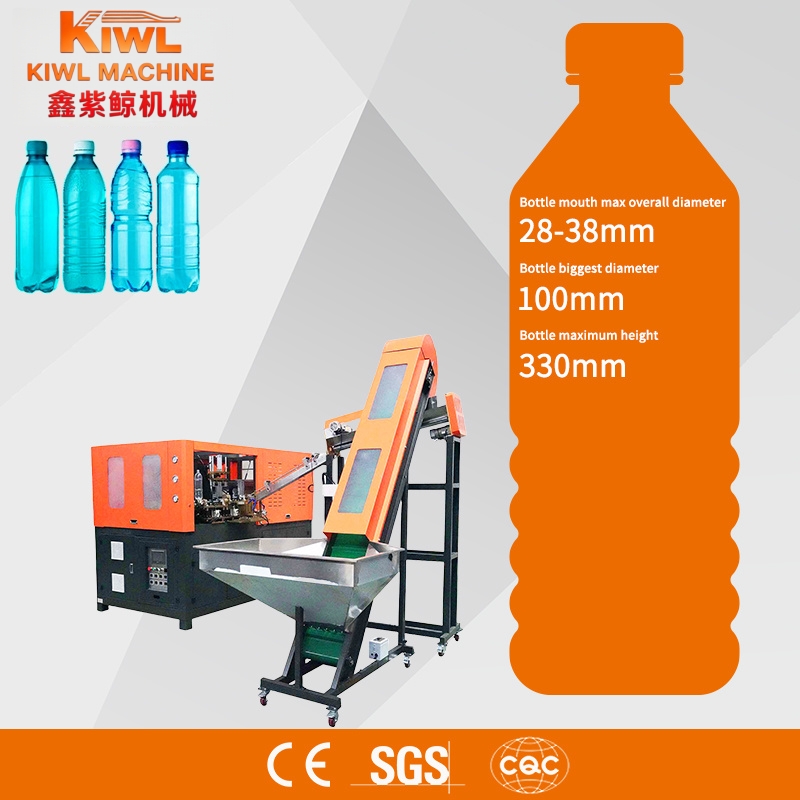
Plastic bottle blow molding machines play a pivotal role in the production of plastic bottles, which are widely used across various industries, including beverages, pharmaceuticals, and personal care. Understanding how these machines operate can significantly benefit manufacturers aiming to enhance efficiency and productivity. At its core, the blow molding process involves three main stages: the h
Plastic bottle blow molding machines play a pivotal role in the production of plastic bottles, which are widely used across various industries, including beverages, pharmaceuticals, and personal care. Understanding how these machines operate can significantly benefit manufacturers aiming to enhance efficiency and productivity.
At its core, the blow molding process involves three main stages: the heating of a plastic preform, the blowing of the preform into the desired shape, and the cooling of the molded bottle. The preform, typically made from PET (polyethylene terephthalate), is heated to a specific temperature where it becomes pliable. Once heated, the preform is placed into a mold, and compressed air is used to inflate it, taking the shape of the mold. This process allows for the mass production of uniformly shaped bottles, which are essential for packaging products safely and securely.
One of the primary advantages of using a plastic bottle blow molding machine is the high level of automation and efficiency it offers. Modern machines are equipped with advanced technology that allows for quick changeovers between different bottle designs and sizes, reducing downtime and increasing overall production rates. This adaptability makes them particularly popular among manufacturers looking to meet varying market demands without significant delays.
Additionally, these machines provide excellent precision in bottle design, ensuring that the final products meet stringent quality standards. The ability to create complex shapes and lightweight bottles reduces material costs while maintaining the strength and durability needed for packaging.
Another benefit of blow molding machines is their scalability. Whether a manufacturer is producing small batches or large-scale quantities, these machines can accommodate production needs, making them suitable for businesses of all sizes. Furthermore, the energy efficiency of modern machines helps reduce operational costs, allowing for more sustainable production practices.
In conclusion, plastic bottle blow molding machines are indispensable in the plastic packaging industry, offering numerous advantages that contribute to efficient and cost-effective manufacturing. Understanding their operation, benefits, and adaptability can empower businesses to enhance their production capabilities and meet the evolving needs of their markets. By investing in the right blow molding technology, manufacturers can ensure they remain competitive and responsive to consumer demands while achieving sustainable growth in their operations.
At its core, the blow molding process involves three main stages: the heating of a plastic preform, the blowing of the preform into the desired shape, and the cooling of the molded bottle. The preform, typically made from PET (polyethylene terephthalate), is heated to a specific temperature where it becomes pliable. Once heated, the preform is placed into a mold, and compressed air is used to inflate it, taking the shape of the mold. This process allows for the mass production of uniformly shaped bottles, which are essential for packaging products safely and securely.
One of the primary advantages of using a plastic bottle blow molding machine is the high level of automation and efficiency it offers. Modern machines are equipped with advanced technology that allows for quick changeovers between different bottle designs and sizes, reducing downtime and increasing overall production rates. This adaptability makes them particularly popular among manufacturers looking to meet varying market demands without significant delays.
Additionally, these machines provide excellent precision in bottle design, ensuring that the final products meet stringent quality standards. The ability to create complex shapes and lightweight bottles reduces material costs while maintaining the strength and durability needed for packaging.
Another benefit of blow molding machines is their scalability. Whether a manufacturer is producing small batches or large-scale quantities, these machines can accommodate production needs, making them suitable for businesses of all sizes. Furthermore, the energy efficiency of modern machines helps reduce operational costs, allowing for more sustainable production practices.
In conclusion, plastic bottle blow molding machines are indispensable in the plastic packaging industry, offering numerous advantages that contribute to efficient and cost-effective manufacturing. Understanding their operation, benefits, and adaptability can empower businesses to enhance their production capabilities and meet the evolving needs of their markets. By investing in the right blow molding technology, manufacturers can ensure they remain competitive and responsive to consumer demands while achieving sustainable growth in their operations.
这里是标题一h1占位文字
Hot information

Get Best Quote:
Fenghuang Intelligent Industrial Park, No. 8 Jifu Road, Zhangjiagang City,Jiangsu , China
Business License


Pay attention to KlWL machinery
Get Best Quote