
Understanding the Benefits and Functionality of Plastic Bottle Blow Molding Machines
Release time:
2026-02-20
In the plastic manufacturing industry, the plastic bottle blow molding machine is a vital piece of equipment used to produce a wide range of plastic bottles and containers. Understanding how these machines operate and their benefits can significantly enhance the efficiency of your production processes. Blow molding is a manufacturing process that involves the formation of hollow plastic parts. The
In the plastic manufacturing industry, the plastic bottle blow molding machine is a vital piece of equipment used to produce a wide range of plastic bottles and containers. Understanding how these machines operate and their benefits can significantly enhance the efficiency of your production processes.
Blow molding is a manufacturing process that involves the formation of hollow plastic parts. The two primary methods utilized in this process are extrusion blow molding and injection blow molding. In the extrusion method, plastic is melted and formed into a parison (a hollow tube). The parison is then clamped into a mold, and air is introduced to expand it against the walls of the mold, shaping the plastic into the desired bottle form. On the other hand, the injection method involves injecting molten plastic into a pre-formed mold to create the bottle. Each method has its advantages and is chosen based on production needs, material type, and desired bottle characteristics.
One of the most significant benefits of using a plastic bottle blow molding machine is its efficiency in mass production. These machines are designed to operate at high speeds, allowing for large quantities of bottles to be produced in a relatively short period. This speed not only enhances productivity but also reduces labor costs since fewer operators are needed to run the machinery.
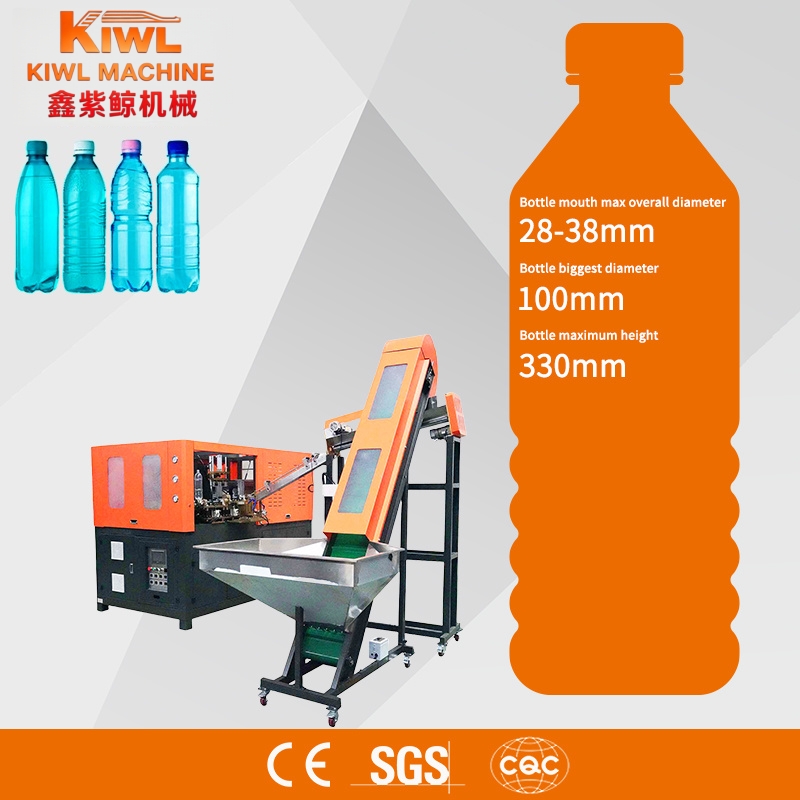
Moreover, blow molding machines are highly versatile. They can produce bottles of various shapes and sizes, catering to different industries, including beverages, pharmaceuticals, and cosmetics. This adaptability makes them an excellent investment for manufacturers looking to diversify their product offerings. Additionally, advancements in technology have led to the development of machines that require minimal setup time, further facilitating rapid production adjustments.
Maintenance is another crucial aspect of these machines. Regular upkeep ensures consistent performance and longevity, allowing manufacturers to maintain production quality. Investing in proper training for operators can also help in minimizing downtime associated with machine malfunctions.
In terms of environmental impacts, newer models of blow molding machines are designed with energy efficiency in mind. Many machines now incorporate features that reduce energy consumption during operation, contributing to more sustainable manufacturing practices.
In conclusion, the plastic bottle blow molding machine is an indispensable tool in the plastic products industry. By understanding its functionality and advantages, professionals in the field can make informed decisions that optimize production processes and enhance product quality. Whether you’re looking to increase your production capacity or improve your sustainability efforts, exploring the capabilities of blow molding machines could be a significant step forward in your manufacturing operations.
Blow molding is a manufacturing process that involves the formation of hollow plastic parts. The two primary methods utilized in this process are extrusion blow molding and injection blow molding. In the extrusion method, plastic is melted and formed into a parison (a hollow tube). The parison is then clamped into a mold, and air is introduced to expand it against the walls of the mold, shaping the plastic into the desired bottle form. On the other hand, the injection method involves injecting molten plastic into a pre-formed mold to create the bottle. Each method has its advantages and is chosen based on production needs, material type, and desired bottle characteristics.
One of the most significant benefits of using a plastic bottle blow molding machine is its efficiency in mass production. These machines are designed to operate at high speeds, allowing for large quantities of bottles to be produced in a relatively short period. This speed not only enhances productivity but also reduces labor costs since fewer operators are needed to run the machinery.
Moreover, blow molding machines are highly versatile. They can produce bottles of various shapes and sizes, catering to different industries, including beverages, pharmaceuticals, and cosmetics. This adaptability makes them an excellent investment for manufacturers looking to diversify their product offerings. Additionally, advancements in technology have led to the development of machines that require minimal setup time, further facilitating rapid production adjustments.
Maintenance is another crucial aspect of these machines. Regular upkeep ensures consistent performance and longevity, allowing manufacturers to maintain production quality. Investing in proper training for operators can also help in minimizing downtime associated with machine malfunctions.
In terms of environmental impacts, newer models of blow molding machines are designed with energy efficiency in mind. Many machines now incorporate features that reduce energy consumption during operation, contributing to more sustainable manufacturing practices.
In conclusion, the plastic bottle blow molding machine is an indispensable tool in the plastic products industry. By understanding its functionality and advantages, professionals in the field can make informed decisions that optimize production processes and enhance product quality. Whether you’re looking to increase your production capacity or improve your sustainability efforts, exploring the capabilities of blow molding machines could be a significant step forward in your manufacturing operations.
这里是标题一h1占位文字
Hot information

Get Best Quote:
Fenghuang Intelligent Industrial Park, No. 8 Jifu Road, Zhangjiagang City,Jiangsu , China
Business License


Pay attention to KlWL machinery
Get Best Quote