
Plastic Bottle Making Machines and Their Role in Sustainability: A Comprehensive Guide
Release time:
2026-02-11
Plastic Bottle Making Machines and Their Role in Sustainability Table of Contents Introduction to Plastic Bottle Manufacturing Importance of Plastic Bottles in Everyday Life Types of Plastic Bottle Making Machines Injection Molding Machines Blow Molding Machines Extrusion Machines The Role of Plastic Bottle Making Machines in Sustainabilit
Plastic Bottle Making Machines and Their Role in Sustainability
Table of Contents
- Introduction to Plastic Bottle Manufacturing
- Importance of Plastic Bottles in Everyday Life
- Types of Plastic Bottle Making Machines
- The Role of Plastic Bottle Making Machines in Sustainability
- Challenges Facing the Industry
- Future Trends in Plastic Bottle Manufacturing
- Conclusion
- Frequently Asked Questions
Introduction to Plastic Bottle Manufacturing
Plastic bottles have become ubiquitous in our daily lives. From beverages to household cleaners, they serve various purposes across countless industries. The manufacturing process of plastic bottles has evolved significantly, driven by technological advancements and an increasing awareness of sustainability. In this article, we will explore **plastic bottle making machines**, their functionalities, and how they contribute to a more sustainable future.
Importance of Plastic Bottles in Everyday Life
The role of plastic bottles extends beyond convenience; they are essential for packaging, storage, and transportation. Their lightweight nature reduces shipping costs and carbon footprints, while their durability ensures products remain protected. However, the increasing reliance on plastic poses significant environmental concerns. Understanding the importance of sustainable production methods is crucial for addressing these challenges.
Types of Plastic Bottle Making Machines
The manufacturing of plastic bottles involves specialized machines, each designed for specific production techniques. Below, we delve into the primary types of plastic bottle making machines.
Injection Molding Machines
Injection molding is a widely used technique for producing plastic bottles, particularly for those requiring intricate designs and high precision. In this process, plastic granules are heated until molten and injected into a mold. Once cooled, the mold is removed, resulting in a perfectly shaped bottle. This method is efficient and suitable for large-scale production, minimizing waste through precise measurements.
Blow Molding Machines
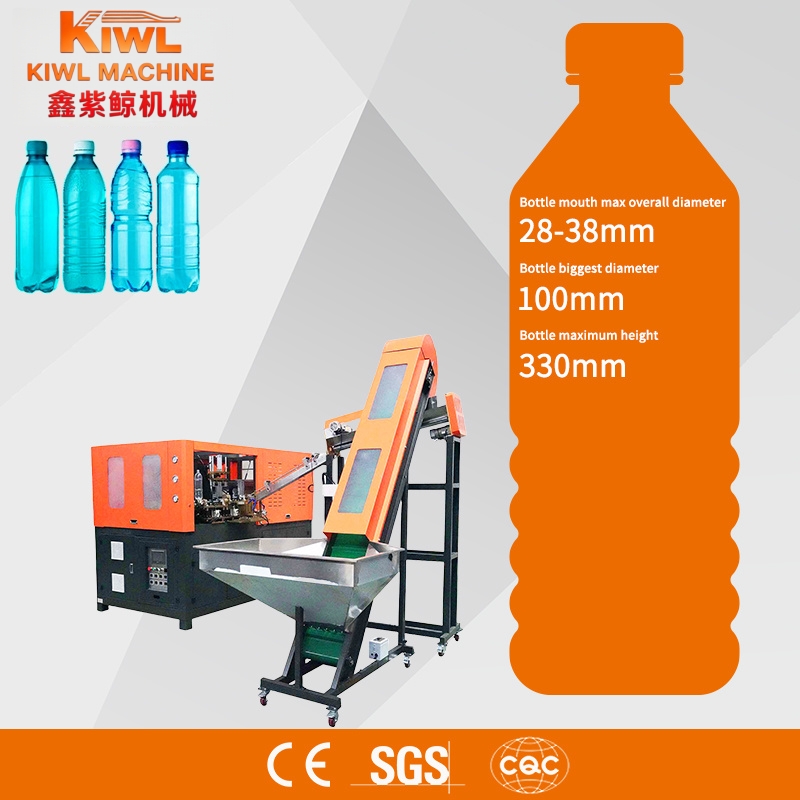
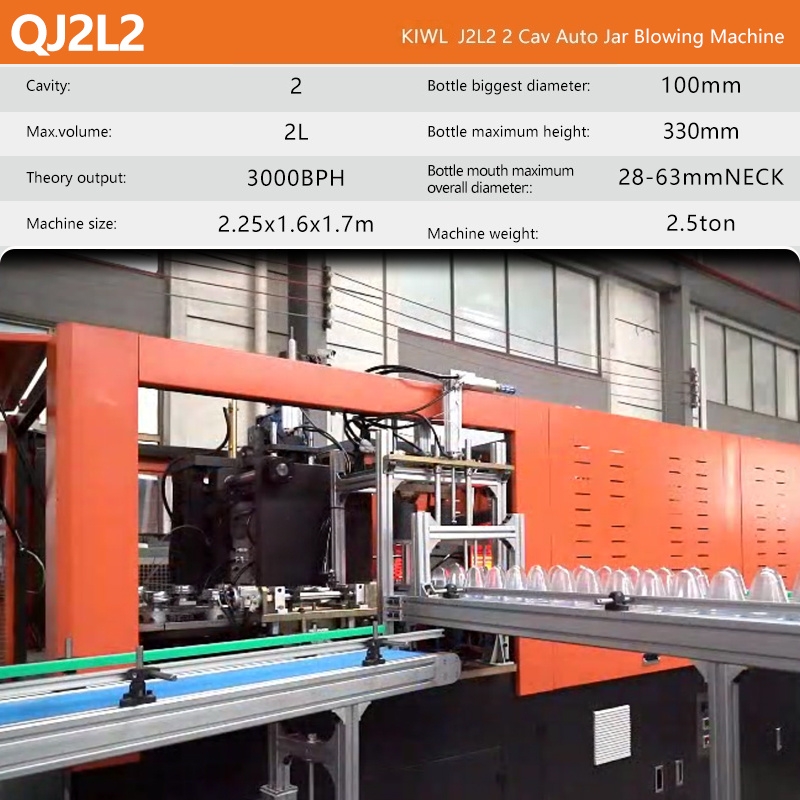
Blow molding is another prevalent technique in the plastic bottle manufacturing industry. This process involves creating a parison (a tube-like piece of plastic) that is then inflated to fill a mold, forming the bottle shape. Blow molding is particularly popular for producing hollow bottles and is known for its speed and cost-effectiveness.
Extrusion Machines
Extrusion is a less commonly used technique for bottle manufacturing but is vital for specific applications. In this process, plastic is melted and forced through a die to create a continuous profile, which can then be cut into desired lengths. This method is particularly useful for producing large containers or specialized bottle shapes.
The Role of Plastic Bottle Making Machines in Sustainability
As environmental concerns rise, the role of plastic bottle making machines has shifted towards more sustainable practices. Here, we discuss how these machines contribute to sustainability within the industry.
Recycling and Reuse of Plastic Bottles
Recycling is a key component in promoting sustainability. Plastic bottle making machines can be designed to work with recycled plastics, significantly reducing raw material consumption and energy costs. By utilizing recycled PET (rPET), manufacturers can create high-quality bottles while minimizing their environmental impact.
Recycling initiatives encourage consumers to return used bottles for processing, which can be transformed into new bottles or other products, extending the lifecycle of plastic materials. Many companies are investing in closed-loop systems, where waste is reintegrated into the production process.
Emerging Eco-Friendly Technologies
Innovation in technology plays a crucial role in enhancing the sustainability of plastic bottle production. Some emerging eco-friendly technologies include:
- **Biodegradable Plastics**: These materials break down more quickly than traditional plastics, reducing landfill waste and environmental pollution.
- **Energy-Efficient Machines**: Newer machines are designed to consume less energy during the production process, contributing to lower carbon footprints.
- **Water Recycling Systems**: Implementing water recycling within manufacturing processes helps conserve this precious resource.
These advancements offer significant potential for reducing the ecological impact of plastic bottle manufacturing.
Challenges Facing the Industry
Despite the progress in sustainable practices, the plastic bottle manufacturing industry faces several challenges:
- **Consumer Perception**: Many consumers associate plastics with pollution, leading to a decline in demand for plastic products, despite their recyclability.
- **Regulatory Pressures**: Governments worldwide are implementing stricter regulations on plastic production and disposal, pushing companies to adapt quickly to avoid penalties.
- **Market Fluctuations**: The cost of raw materials, especially recycled plastics, can fluctuate, impacting production costs and profitability.
Addressing these challenges requires collaboration across the industry, from manufacturers to consumers, to foster a culture of sustainability.
Future Trends in Plastic Bottle Manufacturing
The future of plastic bottle manufacturing is poised for significant transformation. Key trends include:
- **Increased Adoption of Recyclable Materials**: As technology advances, more manufacturers are expected to utilize recycled materials in their production processes.
- **Smart Manufacturing**: Integrating AI and IoT into manufacturing processes can enhance efficiency, reduce waste, and lower production costs.
- **Circular Economy Models**: Shifting from a linear economy to a circular model emphasizes reusing and recycling materials to minimize waste.
These trends signal a shift towards more sustainable practices within the industry, reflecting the growing demand for eco-friendly products.
Conclusion
Plastic bottle making machines play a vital role in the sustainability of the chemical and plastic industries. By incorporating innovative technologies, recycling practices, and eco-friendly materials, manufacturers can significantly reduce their environmental impact. As we continue to navigate the challenges of plastic use, a collective effort towards sustainability will ensure a healthier planet for future generations. The evolution of plastic bottle manufacturing is not just about production; it's about responsibility and creating a sustainable future.
Frequently Asked Questions
1. What are the main types of plastic bottle making machines?
The primary types are injection molding, blow molding, and extrusion machines, each suited for different production needs.
2. How do plastic bottle making machines contribute to sustainability?
These machines can utilize recycled materials, adopt energy-efficient technologies, and promote closed-loop recycling systems to minimize environmental impact.
3. What advancements are being made in eco-friendly plastic materials?
Innovations include biodegradable plastics and the increased use of recycled plastics in manufacturing processes.
4. What challenges does the plastic bottle industry face regarding sustainability?
Challenges include consumer perception, regulatory pressures, and market fluctuations affecting the availability and cost of raw materials.
5. What can consumers do to support sustainability in the plastic bottle industry?
Consumers can participate in recycling programs and choose products made from recycled or biodegradable materials to support sustainable practices.
这里是标题一h1占位文字
Hot information

Get Best Quote:
Fenghuang Intelligent Industrial Park, No. 8 Jifu Road, Zhangjiagang City,Jiangsu , China
Business License


Pay attention to KlWL machinery
Get Best Quote